Food Processing Wastewater Treatment
FOG, starch, food solids and production swings — handled. DAF systems engineered around your plant's wastewater, sized from your sample, not a catalog.
What Is in Food Processing Wastewater
Food plants wash, peel, cut, cook, fry and package — and every step sends product to the drain. Vegetable and potato processors carry soil, starch and peel solids. Fruit and juice plants carry sugars and pulp. Snack and fried food plants carry heavy oil loads. Canneries and prepared food plants carry all of it, changing with every product run.
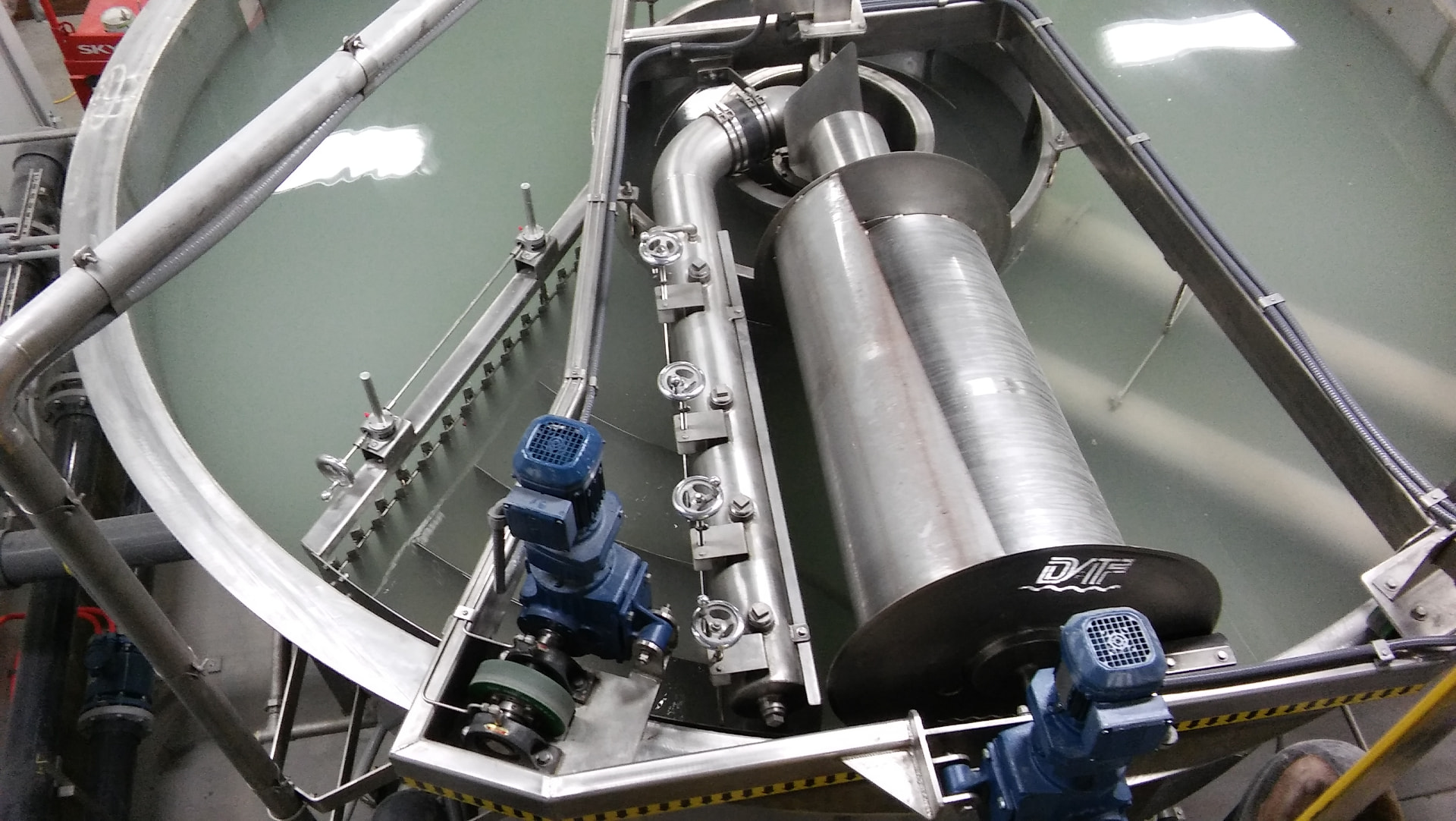
The result is wastewater high in fats, oils and grease (FOG), suspended solids and BOD, with flows that rise and fall with production schedules and seasons. Dissolved air flotation is the workhorse for this stream because it removes FOG and light food solids in minutes rather than hours.
Why Food Plant Wastewater Costs Keep Rising
Sewer utilities bill surcharges on BOD, TSS and FOG above set limits, and many food plants run several times over. Grease is the fastest way to draw enforcement, because it blocks collection lines and lift stations. Plants that expand production or add a fryer line often discover the surcharge bill grows faster than the revenue.
Seasonal processors face a second problem: peak loads during harvest that overwhelm whatever pretreatment they have. A system that only works in the off-season isn't a solution.
Food Plant Pretreatment With Micro-Bubble DAF
Our micro-bubble generator produces a dense cloud of fine bubbles that captures emulsified grease and light food solids that screens and settling tanks miss. Chemistry is matched to your products by jar testing.
- FOG removal up to 99% and TSS removal of 90–98%
- Significant BOD reduction from solids and grease capture
- Equalization sized for production peaks and seasonal surges
- Float that can often be rendered, digested or land-applied
We are straightforward about scope: dissolved sugars and starches pass through any clarifier. Where limits require deeper BOD removal, DAF is the pretreatment stage ahead of biological treatment. For most food plants discharging to a municipal sewer, DAF delivers the surcharge and grease compliance they need.
Canneries, Produce, Snacks and Beverages
We have experience with canneries, frozen food processors, vegetable washers, fruit packers, juice operations, snack makers and beverage manufacturers. Each brings its own blend of solids, oils and sugars. We begin every project with laboratory analysis of your worst-case wastewater — the peak-season, highest-strength sample — not your average.
Typical Food Processing Wastewater
| Parameter | Why it matters | Typical range |
|---|---|---|
| BOD | From sugars, starch and food solids. | 500–5,000 mg/L |
| Fats, oils & grease | Frying, cooking and protein products. | 100–3,000 mg/L |
| Suspended solids (TSS) | Peel, soil, pulp and food fines. | 300–5,000 mg/L |
| COD | Billed in place of BOD by some utilities. | 1,000–10,000 mg/L |
| pH | Shifts with peeling lye and sanitation. | About 4–11 |
| Flow variability | Production runs and harvest seasons. | Up to 3× average |
Ranges from published industry data and our project experience. Your lab analysis sets the real design numbers.
How We Size a Food Processing DAF System
We size from peak production flow and confirm against solids and grease loading. In this illustrative example, a vegetable and potato processor averages 200 GPM and peaks at 300 GPM during harvest.
An FC 150 carries the harvest peak and brings TSS and FOG under typical sewer limits. Your production mix and lab results set the final selection.
FC Maximizer models run from the FC 40 at 22 GPM to the FC 700 at 8,850 GPM with 25% recycle — see the full FC Maximizer sizing table.
| Average / harvest peak flow | 200 / 300 GPM |
|---|---|
| Operating schedule | 20 hours/day in season |
| Influent TSS / FOG / BOD | 2,000 / 400 / 2,500 mg/L |
| Selected clarifier | FC 150 — 400 GPM with 25% recycle |
| Effluent TSS (95% removal) | About 100 mg/L |
| Effluent FOG (95% removal) | About 20 mg/L |
| Solids removed per day | About 4,600 lb |
Proven Across the Food Industry
Since 2000, DAF Corp has engineered systems for food processors across the U.S. and around the world. The pattern is consistent: variable, grease-heavy wastewater, a surcharge bill that grows with production, and a DAF system sized from a lab analysis of the plant's worst-case stream — not an average.
Start With a Free Lab Analysis
Send us a sample of your worst-case wastewater and your discharge limits. We jar-test it, and typically within 5–10 business days return a system specification and budgetary proposal — including what DAF will and won't do for your stream. Micro Bubbles. Massive Results.
Request a Lab Analysis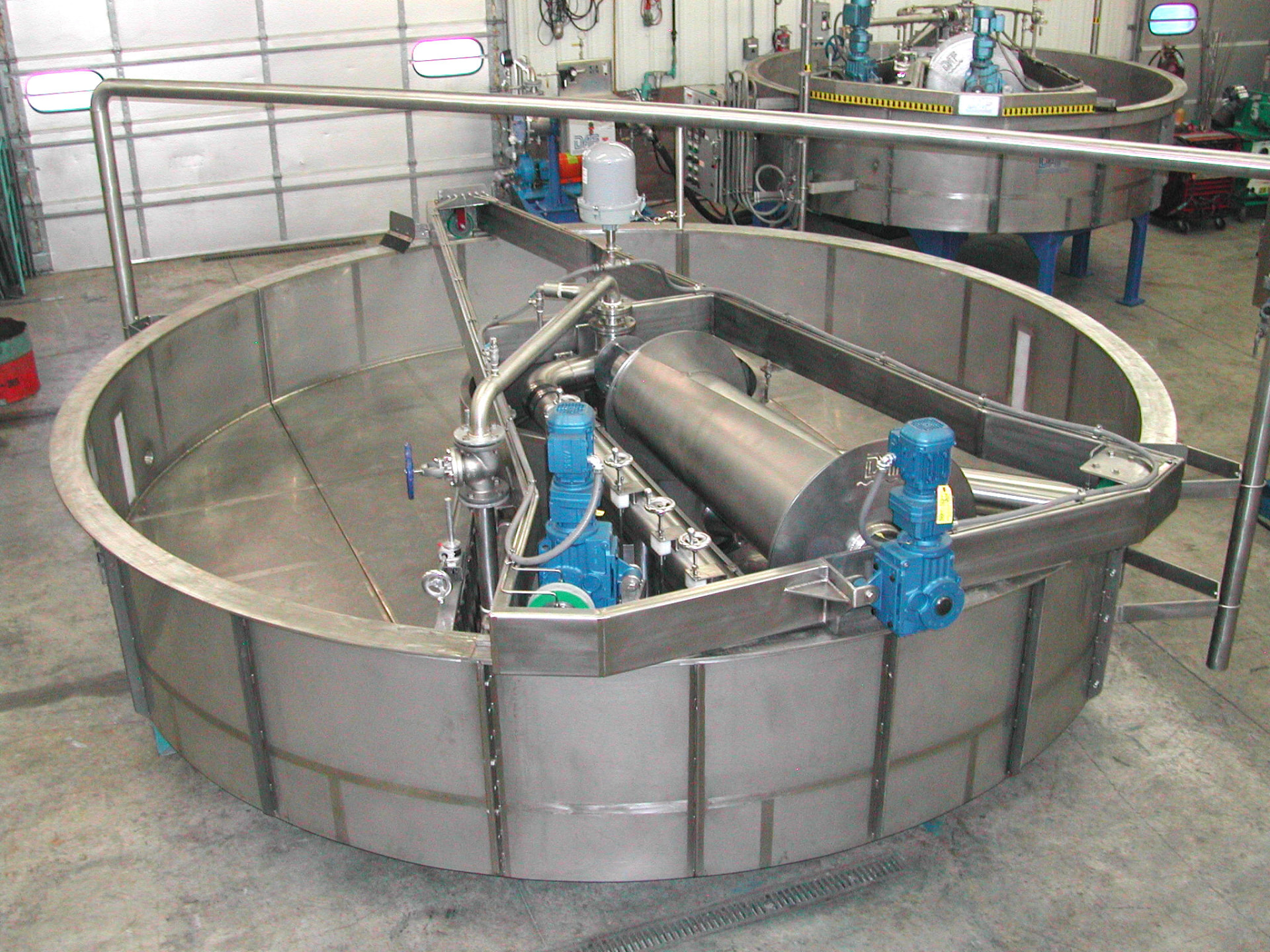
Get Your Free Consultation
DAF Corporation works with food processors, municipalities, dairy operations, and industrial facilities to solve complex wastewater challenges. Our process begins with your water — not a catalog.
Book an Appointment