Produced Water Treatment
Separate emulsified oil and formation solids before reinjection, recycling or discharge. DAF systems engineered for the field, sized from your water — not a catalog.
What Is in Produced Water
Produced water comes up with every barrel of oil and gas — often several barrels of water per barrel of oil. It carries free and emulsified hydrocarbons, formation solids, sand, scale, iron, bacteria and the treatment chemicals used to keep wells flowing. It is frequently saline, sometimes hot, and almost always variable.
Free oil separates in a skim tank. Emulsified oil and fine solids do not. That fraction fouls injection wells, plugs filters and membranes, and blocks water reuse. Dissolved air flotation is one of the most effective ways to strip it out, because micro-bubbles attach to oil droplets and fine particles too small to rise or settle on their own.
Why Untreated Produced Water Costs You
Every barrel of water you can't reuse is a barrel you haul and dispose of. Disposal and trucking often cost more than the treatment that would have let you recycle that water for completions. Water that is reinjected with too much oil and solids plugs formations and disposal wells, driving workovers and lost injectivity.
Downstream equipment pays too. Cartridge filters, walnut shell filters and membranes all foul faster when oil carry-over climbs. Removing oil and solids early protects every dollar spent after the DAF.
Produced Water Treatment With Micro-Bubble DAF
Our micro-bubble generator creates a dense bubble cloud that captures emulsified oil and fine formation solids in a single pass. With emulsion breakers and coagulants selected by jar testing, a DAF Corp system delivers stable effluent even as well chemistry shifts.
- Oil removal of 85–99% after chemical conditioning
- TSS removal of 88–97%, including fine formation solids and iron precipitates
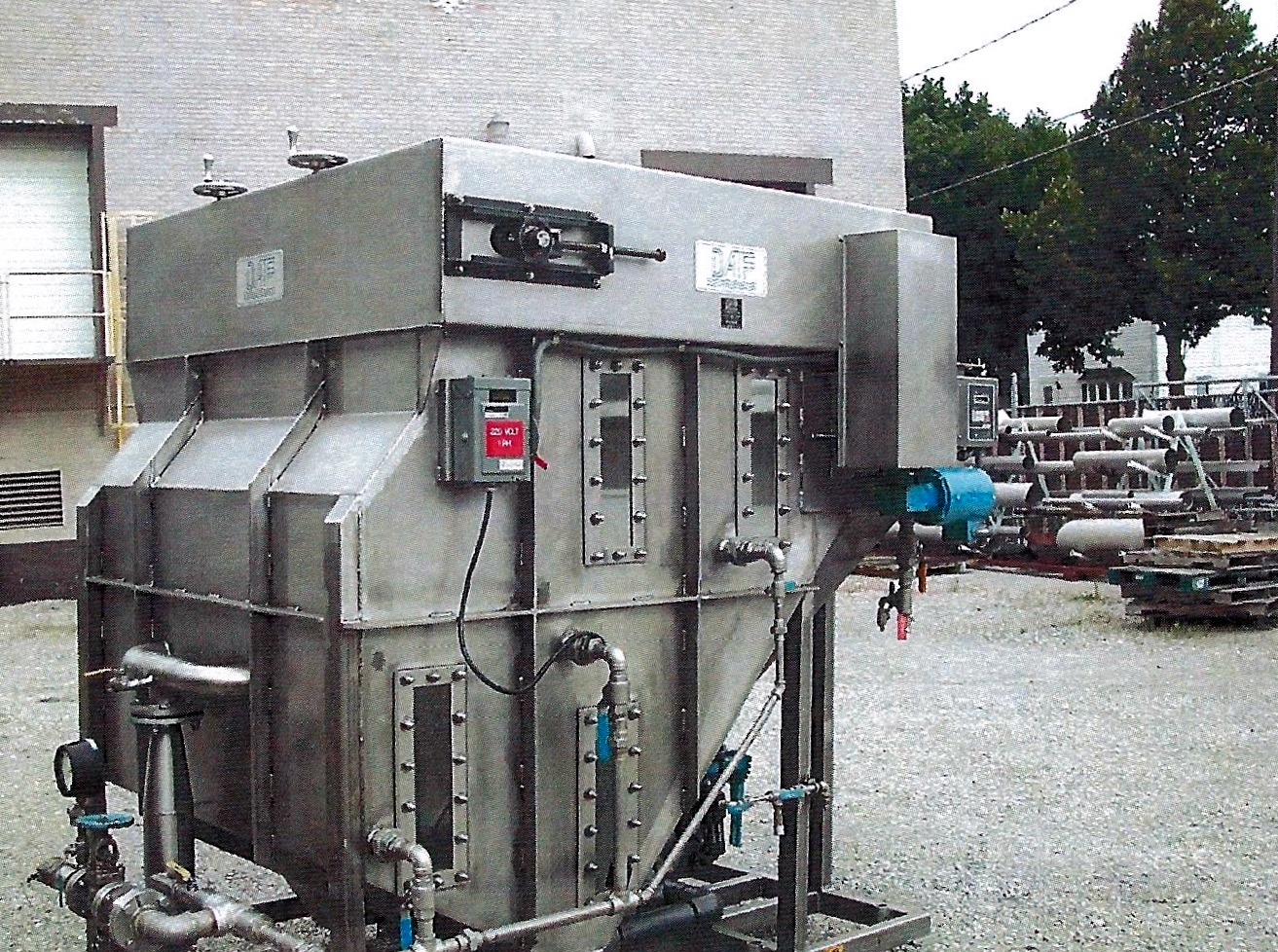
- Skid-mounted and rectangular Unimax options for compact, remote sites
- Classified-area electrical, seals and materials specified where required
We are straightforward about scope: DAF removes oil and suspended solids. It does not remove dissolved salts, dissolved hydrocarbons or hardness. Where you need desalination or beneficial reuse beyond completions, DAF is the pretreatment stage that makes the downstream process work.
Designed for Remote Sites
Oil field systems run with minimal staffing, often hours from a service shop. We design for that reality: robust construction, accessible skimmers and pumps, simplified controls and corrosion-resistant materials for saline water. Our rectangular Unimax and skid-mounted systems ship as complete packages to shorten field installation.
Typical Produced Water Characteristics
| Parameter | Why it matters | Typical range |
|---|---|---|
| Oil in water | Free and emulsified hydrocarbons after the skim tank. | 100–1,000 mg/L |
| Suspended solids (TSS) | Sand, fines, scale and iron solids. | 50–1,000 mg/L |
| Total dissolved solids | Salinity; passes through DAF. | 10,000–200,000+ mg/L |
| Iron | Precipitates on aeration; removed as float. | 1–100 mg/L |
| Temperature | Affects saturation and material selection. | Ambient–180°F |
| Bacteria / H₂S | Drives corrosion and souring concerns. | Site specific |
Ranges from published industry data and our project experience. Your lab analysis sets the real design numbers.
How We Size a Produced Water DAF System
Produced water systems are sized on continuous flow, usually stated in barrels per day. In this illustrative example, a gathering facility handles 10,000 barrels of water per day — about 292 GPM — with a 20% allowance for surges.
An FC 150 carries the design flow and brings oil in water low enough for reinjection or recycling in most fields. Your water analysis and reuse target set the final selection.
FC Maximizer models run from the FC 40 at 22 GPM to the FC 700 at 8,850 GPM with 25% recycle — see the full FC Maximizer sizing table.
| Produced water | 10,000 bbl/day |
|---|---|
| Continuous flow | About 292 GPM |
| Design flow (20% surge allowance) | 350 GPM |
| Selected clarifier | FC 150 — 400 GPM with 25% recycle |
| Influent oil / TSS | 500 / 300 mg/L |
| Effluent oil (94% removal) | About 30 mg/L |
| Effluent TSS (90% removal) | About 30 mg/L |
| Oil recovered per day | About 2,000 lb |
Proven in the Field
DAF Corp has designed systems for onshore conventional and unconventional plays, offshore platforms and produced water recycling in water-stressed regions. The pattern is consistent: variable water, hard reinjection or reuse targets, and a DAF system sized from a lab analysis of the worst-case water — not an average.
Start With a Free Lab Analysis
Send us a sample of your produced water and your reinjection, reuse or discharge target. We jar-test it, and typically within 5–10 business days return a system specification and budgetary proposal — including what DAF will and won't do for your water. Micro Bubbles. Massive Results.
Request a Lab Analysis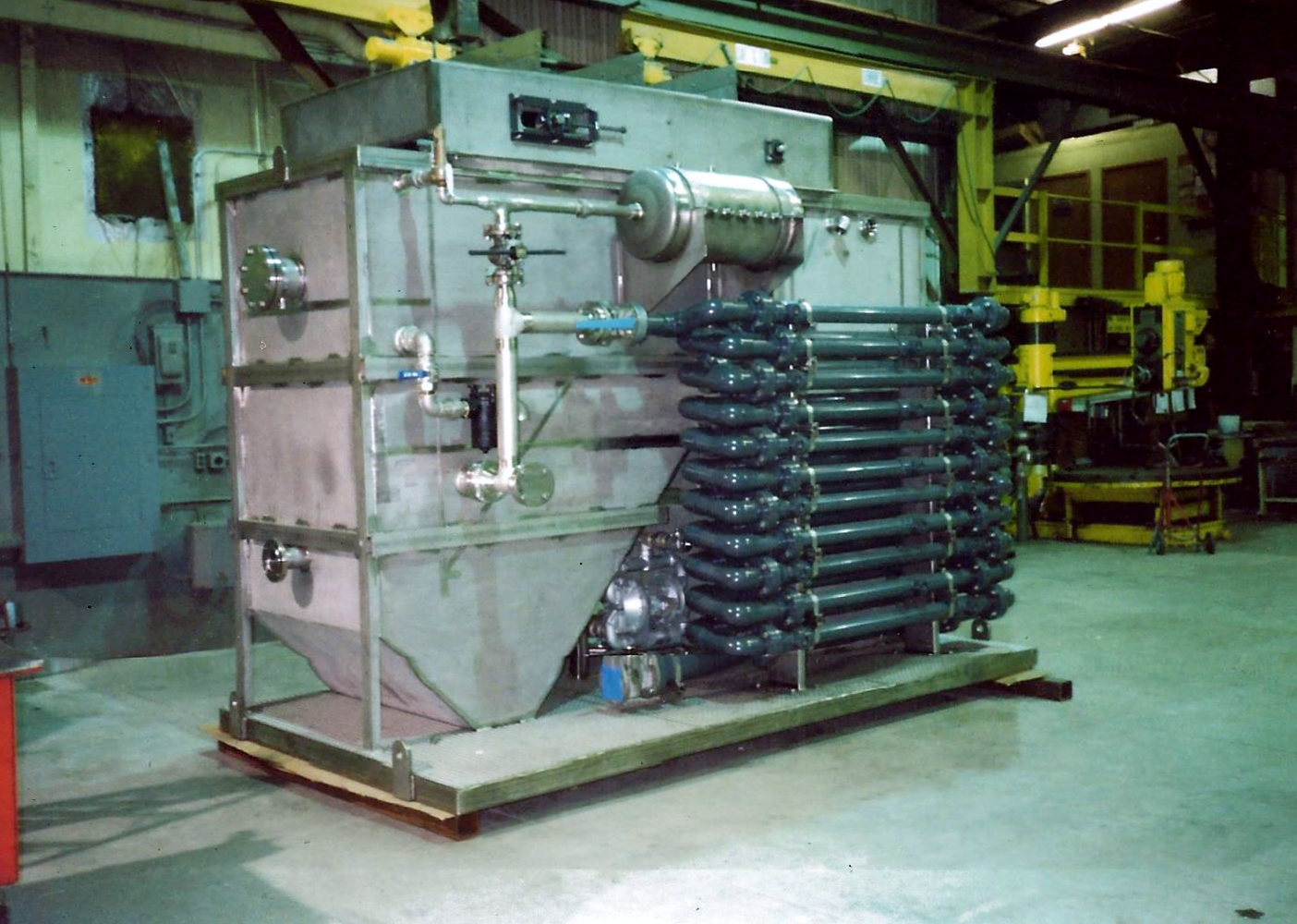
Get Your Free Consultation
DAF Corporation works with food processors, municipalities, dairy operations, and industrial facilities to solve complex wastewater challenges. Our process begins with your water — not a catalog.
Book an Appointment