Brewery Wastewater Treatment
Cut BOD and TSS surcharges, stay inside your permit, and keep brewing. DAF systems engineered around your wastewater — starting with your sample, not a catalog.
What Is in Brewery Wastewater
Every barrel of beer sends spent yeast, trub, hop material, grain fines, sugars, residual beer and cleaning chemicals down the drain. Almost none of it is toxic. All of it consumes oxygen as it breaks down or settles as sludge — which is why sewer authorities classify brewery effluent as high-strength waste and bill accordingly.
Two more factors shape the problem. Caustic and acid CIP cycles can swing pH from about 3 to 12 in a single day. And breweries typically use 4 to 7 barrels of water per barrel of beer. Conserving water doesn't shrink the load — it concentrates it, which pushes BOD and TSS further over the limit.
Why Brewery Wastewater Surcharges Keep Climbing
Most sewer utilities set a concentration limit for BOD and suspended solids — commonly 250 to 300 mg/L — and bill a surcharge on every pound above it. The math is simple: concentration over the limit, times millions of gallons, times 8.34, times the utility's rate per pound. Published rates run from about $0.12 to $0.85 per pound.
Brewery effluent routinely runs several times over those limits, so the surcharge becomes a real line item — and it grows every time you add a fermenter. Larger breweries can also face loading caps, discharge permits or classification as a significant industrial user. On-site pretreatment puts that cost back under your control.
Brewery Pretreatment With Micro-Bubble DAF
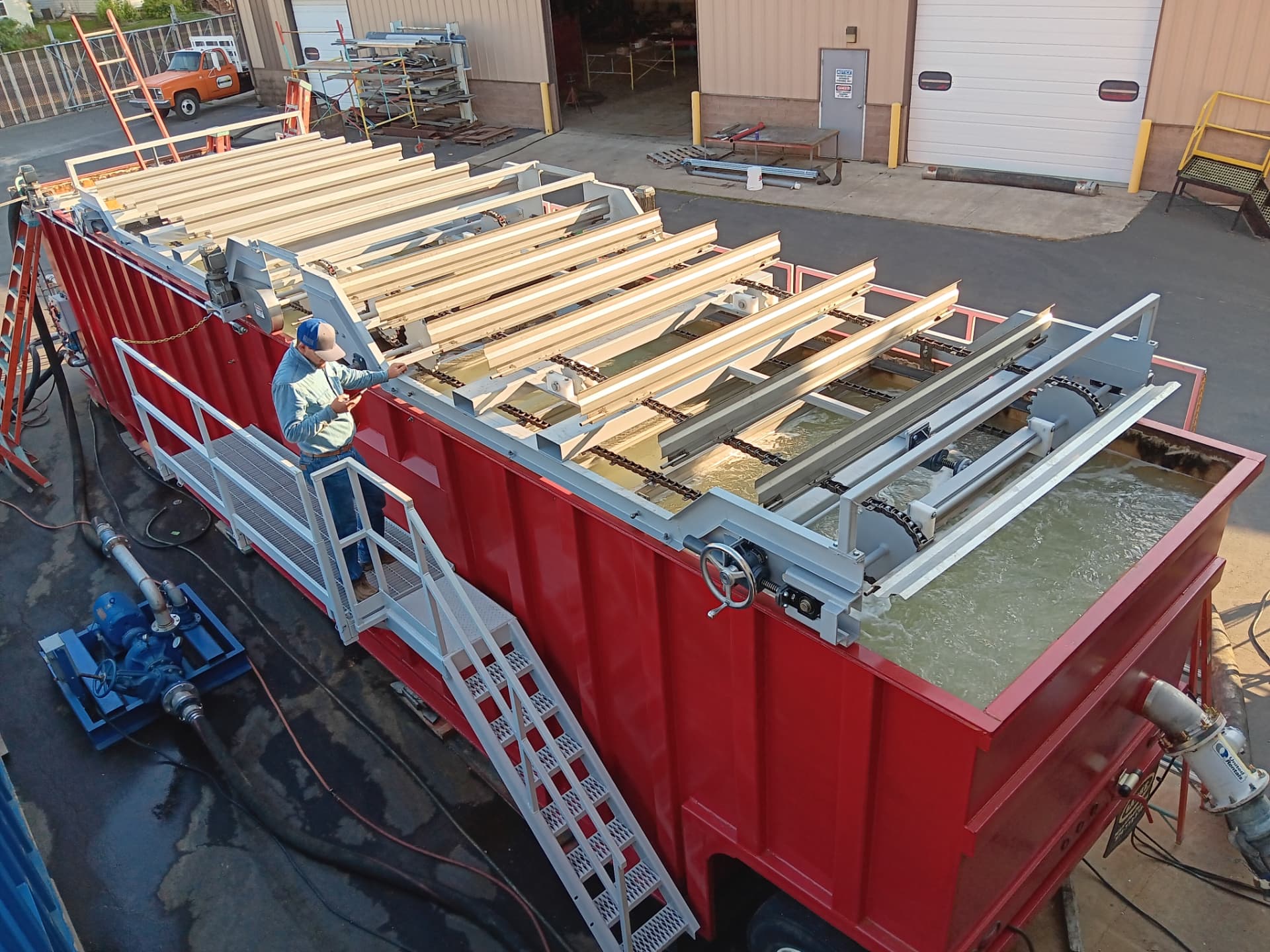
Dissolved air flotation saturates a recycle stream with air and releases it as a cloud of micro-bubbles that lift suspended solids to the surface, where a skimmer removes them. Our micro-bubble generator produces bubbles fine enough to capture the yeast, trub, hop and grain particles that settle slowly or not at all — the solids conventional clarifiers and screens let through.
- TSS removal of 90–98% with coagulant and flocculant matched to your stream by jar testing
- BOD reduction of 40–65% — the share carried by solids and colloids
- Equalization and pH adjustment ahead of the clarifier to absorb CIP swings
- Thickened float ready for hauling, land application or dewatering
We are straightforward about scope: dissolved sugars and alcohol pass through any clarifier. Where your limits require deeper BOD removal, DAF serves as the pretreatment stage ahead of an anaerobic or aerobic biological system — reducing its size, cost and upsets. For most breweries discharging to a municipal sewer, DAF alone delivers the surcharge relief, often paying back within 2–3 years in reduced discharge fees.
Distillery Wastewater Treatment
Distilleries face a different problem. Stillage — the liquid left after distillation — is acidic (about pH 4 to 5) and extremely strong, with COD above 80,000 mg/L reported for molasses-based spent wash. Most distilleries haul stillage for animal feed or treat it separately. What remains — rinse water, CIP water and floor wash — is an excellent DAF application. We size the system for the stream you actually discharge.
Typical Brewery & Distillery Wastewater
| Parameter | Why it matters | Typical range |
|---|---|---|
| BOD | Drives most surcharges. Largely dissolved sugars and alcohol. | 600–5,000 mg/L |
| COD | Billed in place of BOD by some utilities. | 1,800–5,500 mg/L |
| Suspended solids (TSS) | Yeast, trub, hops and grain fines. DAF's strongest target. | 200–1,500 mg/L |
| pH | Swings with caustic and acid CIP cycles. | About 3–12 |
| Water use | Cleaning is the largest use and sets design flow. | 4–7 bbl per bbl of beer |
| Distillery stillage | Very strong, acidic. Usually kept out of the DAF stream. | COD 80,000+ mg/L, pH 4–5 |
Ranges from published industry data. Your lab analysis sets the real design numbers.
How We Size a Brewery DAF System
Sizing starts with flow, not barrels. We convert production to wastewater volume, set the discharge window, apply a peak factor, then select a clarifier with the hydraulic capacity to carry that flow plus recycle. FC Maximizer models run from the FC 40 at 22 GPM to the FC 700 at 8,850 GPM with 25% recycle — see the full FC Maximizer sizing table.
In this worked example for a 25,000-barrel regional brewery, an FC 60 cuts the annual surcharge by roughly $19,400 and brings TSS well under the limit. Swap in your own production, utility rate and lab results and the numbers change — which is exactly why every proposal starts with your sample.
| Annual production | 25,000 bbl |
|---|---|
| Wastewater per barrel of beer | 4 bbl (124 gal) |
| Annual wastewater | 3.1 million gal |
| Operating days / discharge window | 300 days / 8 hours |
| Design flow (peak factor 2) | 43 GPM |
| Selected clarifier | FC 60 — 48 GPM with 25% recycle |
| Influent BOD / TSS | 2,500 / 800 mg/L |
| Utility limit / surcharge rate | 300 mg/L each / $0.50 per lb |
| Annual surcharge before DAF | About $34,900 |
| Annual surcharge after DAF (40% BOD, 90% TSS removed) | About $15,500 |
Proven From Craft to National Scale
DAF Corp has engineered brewery systems for craft breweries, regional operations and major national brands, at facilities ranging from 50 to 5,000 barrels per day. The pattern is consistent: high-strength effluent, a rising surcharge bill, and a DAF system sized from a lab analysis of the brewery's worst-case wastewater — not an average.
Start With a Free Lab Analysis
Send us a sample of your worst-case wastewater and your discharge limits. We jar-test it, and typically within 5–10 business days return a system specification and budgetary proposal — including what DAF will and won't do for your stream. Micro Bubbles. Massive Results.
Request a Lab Analysis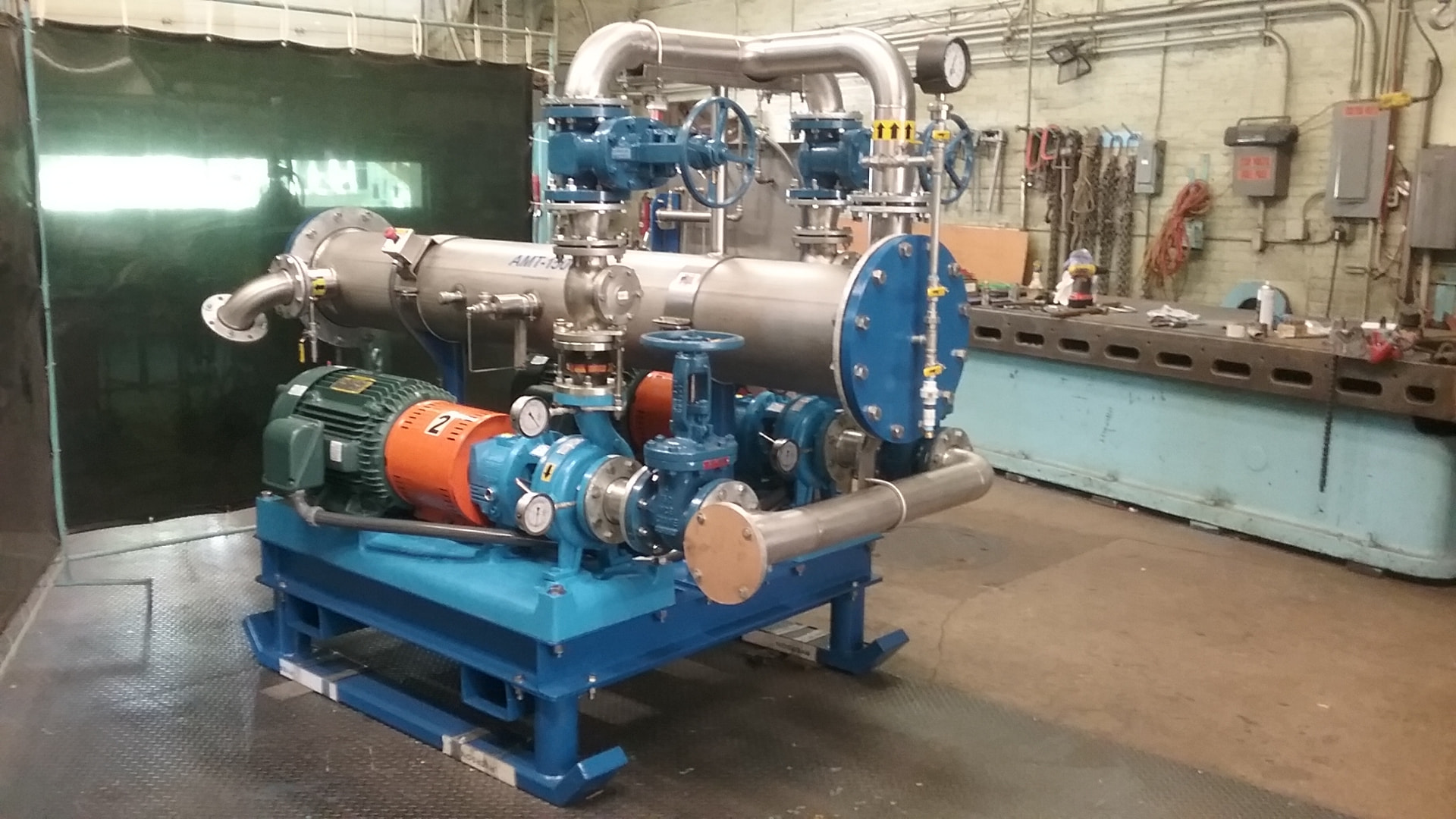
Get Your Free Consultation
DAF Corporation works with food processors, municipalities, dairy operations, and industrial facilities to solve complex wastewater challenges. Our process begins with your water — not a catalog.
Book an Appointment